The trade setup SnapPChart is built to grade.
A clean momentum setup is not one signal. It is trend, volume, catalyst, risk, and timing lining up before you put real money behind the trade.
Start from the homepage upload flow. No credit card required.
Setup scan
Momentum breakout checklist
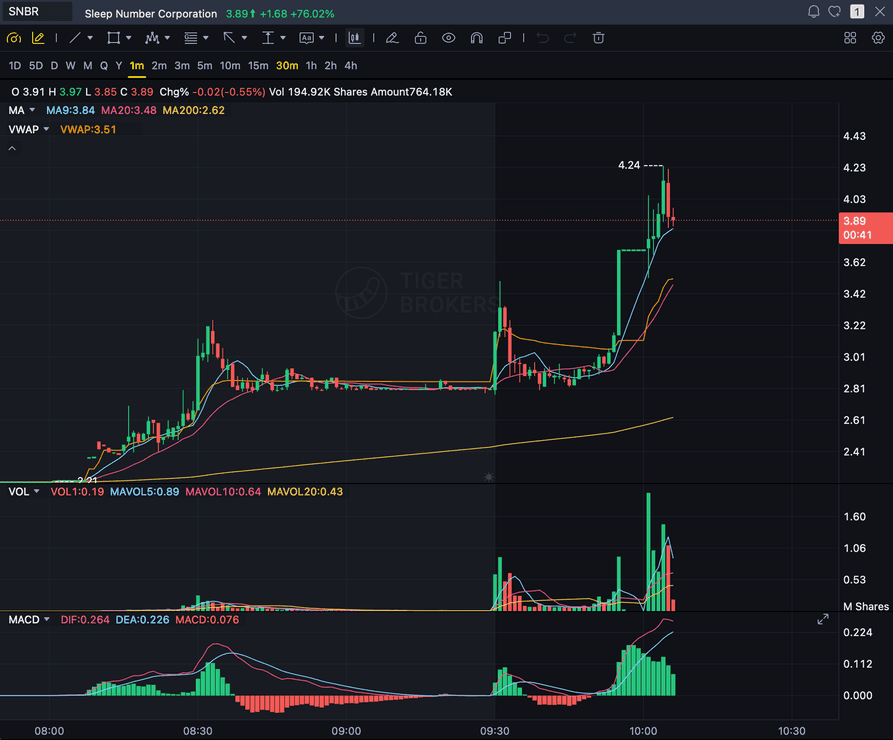
Signals
40+
Grade
A+ to F
Minimum R:R
2:1
Output
Plan
Quick answer
What makes a trade setup worth taking?
A recommended setup has enough aligned evidence to make the risk worth taking: clean trend, confirmed participation, a visible catalyst or momentum driver, a nearby invalidation level, and a target that is not blocked by obvious resistance.
Chart selection
The five checkpoints before the grade
These are the inputs SnapPChart expects to see before a chart can earn a high-quality setup grade.
Strong trend
Clear uptrend with momentum
Higher highs, higher lows, reclaim of key moving averages, or a clean breakout from compression.
High volume
Above-average trading volume
Participation should expand on the move and dry up during the pullback or flag.
Good volatility
Sufficient price movement for targets
The chart needs enough range to pay for the risk without forcing a wide, hopeful stop.
News/catalyst
News event or market catalyst
News, session momentum, macro releases, earnings, or sector strength can supply the fuel.
High liquidity
Adequate market depth and activity
The market should be liquid enough to enter, scale, and exit without turning the plan into slippage.
Entry signals
The setup needs confluence, not vibes
A high-grade trade should survive a checklist across volume, trend, structure, and reward.
Volume Confirms
- Expansion on breakouts
- Lower volume during flags
- No heavy distribution into support
Trend Is Clean
- Price above VWAP or key EMAs
- Pullbacks hold prior resistance
- Structure stays above invalidation
Pattern Has Shape
- Bull flag, ABCD, breakout, or dip-and-rip
- Clear trigger candle
- No random chop through the setup
Reward Is Realistic
- Logical target before major resistance
- Stop placed where the thesis is wrong
- At least 2:1 reward to risk
No-go conditions
The fastest way to improve is to stop forcing bad charts.
SnapPChart is deliberately strict about warning signs. A chart can look exciting and still be a bad trade if the stop, target, or market structure does not support the entry.
Lower highs and lower lows controlling the chart
Heavy selling volume into every bounce
Entry too far from VWAP, EMA, or prior support
Parabolic extension with no fresh consolidation
Target sits directly under obvious resistance
Chart is too noisy to define a clean stop
Execution
A trade plan before the trade
The recommended setup is only useful if it turns into a clear entry, stop, target, and pass/fail rule.
Wait for the trigger
The setup should show a real confirmation candle, breakout, reclaim, or support reaction. No chasing a candle because it is moving.
Define invalidation first
The stop belongs where the trade thesis breaks, not where the dollar loss feels comfortable.
Map targets before entry
Use prior resistance, measured moves, liquidity zones, or extension levels before sizing the position.
Skip weak grades
If trend, volume, risk, and target do not align, passing is the trade. The goal is fewer C-grade entries.
SnapPChart workflow
Upload the chart. Get the setup scored the same way every time.
The product is built around consistency. It reads the visible chart, checks the same categories, and returns the same trade planning fields so you can compare one setup against another.
- Signal confluence across trend, volume, momentum, support, and pattern structure
- Warning signs that can invalidate the trade before entry
- Entry, stop, target, risk/reward, and bear-case planning
- A consistent grade so you can compare setups instead of arguing with your bias
Keep learning
Related setup guides
Use these guides to understand why a setup earns a high or low grade.
Grade the next setup before you enter.
Upload a chart from the homepage and get the grade, entry, stop, targets, and warning signs before the trade gets emotional.
Upload a Chart FreeEducational content only. SnapPChart provides chart analysis and trade planning support, not financial advice. All trading involves risk, and no setup grade guarantees an outcome.