Grade your USD/JPY setup before the trend leaves without you.
Upload a USD/JPY chart screenshot and SnapPChart reads the structure, the pullback into the 9 and 20 EMA, the whole-yen big-figure levels the pair respects, and the visible tick volume, then returns a setup grade, entry, stop, targets, and the reward against the risk. Built for the smooth-trending yen pair.
Drag and drop your chart screenshot
or click to browse. PNG, JPG, or WebP.
Your first analysis is free. No credit card.
Make sure both the time axis (X) and price axis (Y) are visible in your screenshot for accurate results.
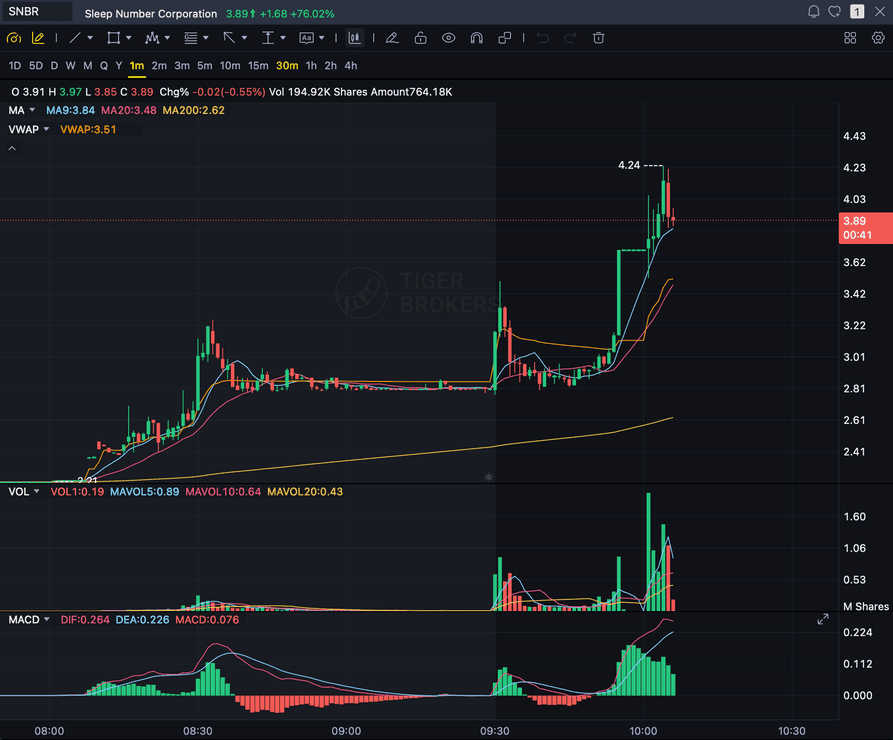
Grade
B+
Entry
$3.87
Stop
$3.75
Target
$4.24
Sample readout
SNBR 1m bull flag pullback: strong opening momentum, lighter-volume consolidation, and a late breakout attempt with the 3.89 price marker near the current candle.
USD/JPY
The dollar vs the yen, the smooth-trending pair
BIG FIGURE
Whole-yen levels like 150.00 the pair respects
EMA
Pullback into the 9 and 20 EMA on a persistent trend
R:R
Reward measured against a structural stop
Quick answer
How do you analyze a USD/JPY chart with AI?
You screenshot the USD/JPY chart from your platform and upload the image. SnapPChart reads it directly, the market structure, the pullback into the 9 EMA or 20 EMA, the whole-yen big-figure levels the pair respects (150.00, 151.00), and the visible tick volume, then grades the setup A+ to F with an entry, a structural stop, multi-target exits, and the reward against the risk. USD/JPY, the yen pair, tends to trend smoothly and persistently rather than chopping, and because it is quoted with two decimal places it respects whole-yen big figures the way the euro respects four-decimal round numbers. The grader checks the pullback into a persistent trend and the reaction at those big-figure levels. It does not read live yen prices, does not watch the dollar index, does not pull the economic calendar, and does not cross-reference other pairs. It grades what is visible on the chart you upload, using the same criteria every time, so you can compare one yen setup to the next instead of trading on feel.
What the AI Returns From a Screenshot
Use the output as a repeatable pre-trade checkpoint, not a prediction.
A-F Setup Grade
See whether the setup has enough pattern clarity, momentum, volume, and reward to justify the risk.
Entry, Stop, Targets
Get a structured trade plan with entry zone, invalidation level, targets, and risk/reward.
Screenshot-Based Read
Use charts from TradingView, Webull, ThinkOrSwim, MetaTrader, Robinhood, or any broker.
Risk Notes First
The analysis flags extension, messy chop, weak retests, thin reward, and conflicting indicators.
Workflow
Use it as a pre-entry gate on every USD/JPY setup
The yen pair trends smoothly and persistently, which makes a clean pullback into the trend one of the higher-quality forex setups. SnapPChart gives you a consistent quality check on the yen chart before you commit.
- Grade a USD/JPY pullback into the 9 or 20 EMA inside a persistent trend
- Check the whole-yen big-figure level (150.00, 151.00) the pair is reacting to
- Confirm the tick volume on the pullback is light, not heavy selling
- Read the bear case and invalidation before you size the position
- Re-grade the chart after a deeper pullback to see if the trend entry got cleaner
- Skip C-grade yen setups where the reward is not there
Head to head
SnapPChart vs a general AI chat assistant for chart screenshots
Most traders land here after pasting a chart into a general AI tool and getting a vague description. Here is how a purpose-built screenshot grader compares for the last decision before you risk money.
| Feature | SnapPChart | General AI chat assistant |
|---|---|---|
| Reads any chart screenshot | Every upload | Inconsistent |
| Setup grade (A+ to F) | Yes | No |
| Entry, stop, and targets | Every upload | Varies by prompt |
| Same criteria every time | Fixed methodology | Varies by prompt |
| Multi-target exit plan (T1 / T2) | Yes | Rarely consistent |
| Risk/reward + invalidation | Yes | Inconsistent |
| Speed to a decision | Seconds | Prompting required |
| Grade history to review | Yes | No |
Keep Learning the Setup
Use these guides to understand how SnapPChart grades the trade instead of taking the output blindly.
What do traders ask about USD/JPY Chart Analysis?
How SnapPChart grades a USD/JPY yen chart from a screenshot.
How do I analyze a USD/JPY chart with AI?
Screenshot the USD/JPY chart from your platform and upload the image to SnapPChart. A multimodal vision model reads the structure, the pullback into the 9 and 20 EMA, the whole-yen big-figure levels, and visible tick volume directly from the picture, then returns a setup grade, an entry, a structural stop, targets, and the reward against the risk. You do not type out what the chart shows or connect a data feed.
Does it read live yen prices or the dollar index?
No. SnapPChart grades the USD/JPY chart screenshot you upload, not a live feed. It does not watch the dollar index, does not pull the economic calendar, and does not cross-reference other pairs. It reads the structure, the EMA pullback, the big-figure levels, and the tick volume that are visible in the image and returns the trade plan and the bear case. You stay the decision-maker.
What makes USD/JPY different to grade?
The yen pair tends to trend smoothly and persistently rather than chopping, so a clean pullback into the trend is one of the higher-quality forex setups, and the grader rewards exactly that structure. Because USD/JPY is quoted with two decimals, it respects whole-yen big figures (150.00, 151.00) the way the euro respects four-decimal round numbers, and the grader factors those big-figure levels into the structure read when they are visible.
How are the entry, stop, and targets quoted on a two-decimal pair?
USD/JPY moves in pips counted on the second decimal, so the entry, structural stop, and targets are returned in the pair's native price units with the reward measured against the risk. A pullback into a big figure with a stop just beyond it is a common high-grade structure the analyzer looks for on the yen.
Can it grade a USD/JPY short setup?
SnapPChart grades long and short momentum-continuation setups from chart screenshots. Choose Long only, Short only, or Both sides in your trading profile. Both sides picks one direction from the chart.
Is USD/JPY chart analysis free to try?
Yes. New users get two lifetime chart analyses, no credit card required. The first analysis shows the full depth so you can see exactly what the AI returns from a USD/JPY chart; the second is gated to show what the paid product adds.
Grade your next USD/JPY setup before you enter.
Upload the yen chart from the homepage and get a structured read on the USD/JPY setup in seconds. No credit card required.
Grade a USD/JPY Chart Free