Grade your gap-and-go setup before you take it.
Gap-and-go is a first-hour momentum long: a stock gaps up at the open on a catalyst with high relative volume, holds the gap, breaks the pre-market high, and continues higher instead of fading. You find the gapper with your own scanner. Upload the chart screenshot and SnapPChart reads the structure, the pre-market high, the gap level, the EMA and VWAP context, and the volume, then returns a setup grade, entry, stop, targets, and the bear case.
Drag and drop your chart screenshot
or click to browse. PNG, JPG, or WebP.
Your first analysis is free. No credit card.
Make sure both the time axis (X) and price axis (Y) are visible in your screenshot for accurate results.
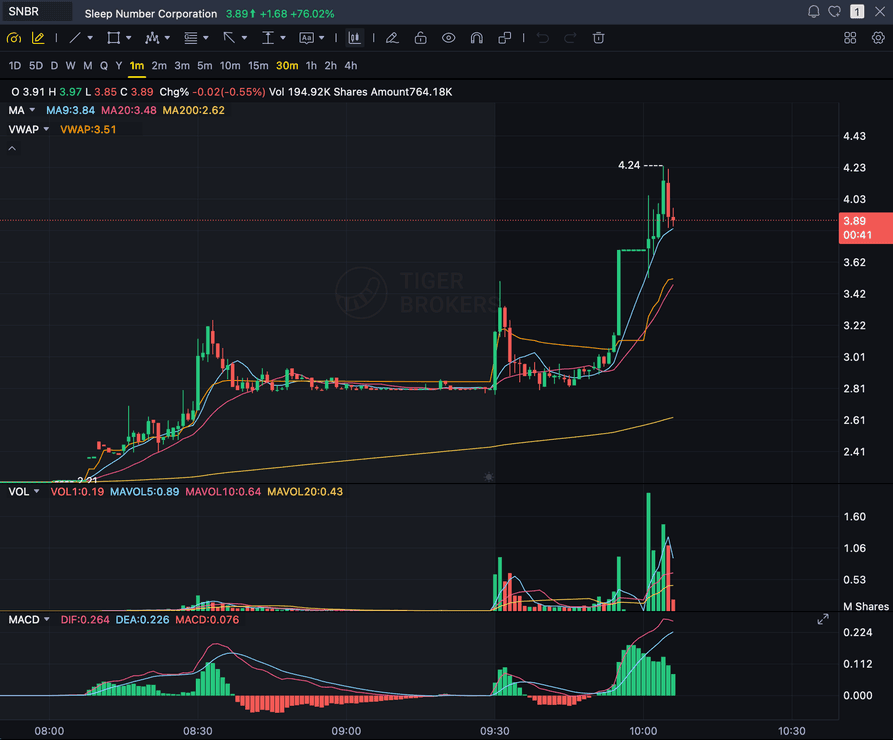
Grade
B+
Entry
$3.87
Stop
$3.75
Target
$4.24
Sample readout
SNBR 1m bull flag pullback: strong opening momentum, lighter-volume consolidation, and a late breakout attempt with the 3.89 price marker near the current candle.
GAP
Gap up at the open on a catalyst with high relative volume
PMH
Break and hold above the pre-market high for continuation
EMA / VWAP
First-hour support, reclaim, and rejection context
VOLUME
Relative-volume check before you commit to the move
Quick answer
What is AI gap-and-go analysis?
AI gap-and-go analysis means using a chart-reading model to grade a gap-and-go momentum setup before you enter it, instead of chasing a fast opening move on feel. Gap-and-go is a specific first-hour pattern within day trading: a stock gaps up at the open on a catalyst with high relative volume, holds the gap, breaks above the pre-market high, and continues higher instead of fading back into the gap. You bring the gapper, you found it with your own pre-market scan, and SnapPChart grades whether the chart earned the trade. It reads the screenshot you upload directly, the market structure, the gap level and pre-market high, the EMA and VWAP context, and the visible volume, then returns a setup grade from A+ to F, an entry zone, a structural stop, multi-target exits, and the main reasons the trade could fail. It applies the same criteria to every chart, so a clean break-and-hold and a weak fade get judged on the same checklist instead of on how the open feels. Gap-and-go sits inside day trading: the scalp trading AI page tunes for 1-5 minute charts, and the day trading AI page covers broad intraday setups; this page is the specific first-hour momentum long.
What the AI Returns From a Screenshot
Use the output as a repeatable pre-trade checkpoint, not a prediction.
A-F Setup Grade
See whether the setup has enough pattern clarity, momentum, volume, and reward to justify the risk.
Entry, Stop, Targets
Get a structured trade plan with entry zone, invalidation level, targets, and risk/reward.
Screenshot-Based Read
Use charts from TradingView, Webull, ThinkOrSwim, MetaTrader, Robinhood, or any broker.
Risk Notes First
The analysis flags extension, messy chop, weak retests, thin reward, and conflicting indicators.
Workflow
Use it as a pre-entry filter on the gappers you find
Gap-and-go setups move fast in the first hour, but a chase into a fading gap still costs real money. You bring the gapper from your scan; SnapPChart gives you a quick, consistent quality gate before you commit to the trade.
- Grade a break of the pre-market high before you take the entry
- Check whether the gap is holding or already fading back in
- Confirm relative volume actually supports the continuation
- Re-grade the same gapper after the first pullback to see if it got cleaner
- Compare two morning gappers on the same checklist before you pick one
- Skip C-grade gap-and-go setups where the reward is not there
Head to head
SnapPChart vs a general AI chat assistant for chart screenshots
Most traders land here after pasting a chart into a general AI tool and getting a vague description. Here is how a purpose-built screenshot grader compares for the last decision before you risk money.
| Feature | SnapPChart | General AI chat assistant |
|---|---|---|
| Reads any chart screenshot | Every upload | Inconsistent |
| Setup grade (A+ to F) | Yes | No |
| Entry, stop, and targets | Every upload | Varies by prompt |
| Same criteria every time | Fixed methodology | Varies by prompt |
| Multi-target exit plan (T1 / T2) | Yes | Rarely consistent |
| Risk/reward + invalidation | Yes | Inconsistent |
| Speed to a decision | Seconds | Prompting required |
| Grade history to review | Yes | No |
Keep Learning the Setup
Use these guides to understand how SnapPChart grades the trade instead of taking the output blindly.
What do traders ask about AI Gap-and-Go?
How SnapPChart grades a gap-and-go momentum setup from a screenshot.
What does AI for gap-and-go actually do?
It grades the gap-and-go setup you are about to take. Upload the chart screenshot of the gapper you found and SnapPChart reads the structure, the gap level and pre-market high, the EMA and VWAP context, and the volume, then returns a setup grade from A+ to F, an entry zone, a structural stop, multi-target exits, and the bear case. It is built for the moment right before you click buy on a first-hour momentum long, so you can see whether the chart earned the trade instead of chasing because it is running.
Does it scan for gappers or find gap-and-go stocks for me?
No. You find the gapper with your own pre-market scanner, then upload the chart here to grade the setup before you enter. SnapPChart does not scan the market, does not build a gap list, does not read the catalyst or news, and does not pull float or short-interest data. You bring the gapper; the AI grades whether the chart earned the trade.
Does the AI read live data or scan for gappers?
No. SnapPChart reads the gap-and-go chart screenshot you upload, not a live data feed. It does not scan for gappers, does not pull the economic calendar, and does not predict the next candle. It grades the structure, the gap level and pre-market high, the EMA and VWAP context, and the volume that are visible in the image, then returns the trade plan and the bear case. You find the gapper; the AI tells you whether it earned the risk.
How is this different from the scalp and day trading pages?
Gap-and-go is a specific first-hour momentum setup that lives inside day trading. The scalp trading AI page tunes the read for the 1-5 minute charts where setups disappear in seconds. The day trading AI page covers the broad intraday umbrella, any trade you open and close inside the session. This page focuses on the gap-up, hold, and break of the pre-market high that defines the gap-and-go long.
What makes a gap-and-go setup grade well?
A clean gap up on a catalyst with high relative volume, a gap that holds instead of filling, and a decisive break and hold above the pre-market high all support a stronger grade. If the chart is already extended, the volume is fading, or price is slipping back into the gap, the grade reflects that and the bear case flags the chase risk before you size in.
Does it work on long setups only?
SnapPChart grades long and short momentum-continuation setups from chart screenshots. Choose Long only, Short only, or Both sides in your trading profile. Both sides picks one direction from the chart.
Is there a free trial for gap-and-go traders?
Yes. New users get two lifetime chart analyses to try the grading workflow on real gappers. The first analysis shows the full depth so you can see exactly what it returns; the second is gated to show what the paid product adds. No credit card required.
Grade the gap-and-go before you click buy.
Bring the gapper from your scan, upload the chart from the homepage, and get a quick, structured read on the setup. No credit card required.
Grade a Gap-and-Go Chart Free