Grade your CHF/JPY setup on a cross where both legs are safe-haven currencies.
Most yen crosses set the low-yield yen against a currency chasing carry or commodity demand, giving the pair an obvious risk-on or risk-off lean. CHF/JPY works differently. The Swiss franc and the Japanese yen are both currencies traders reach for during broad risk-off stress, and both the Swiss National Bank and the Bank of Japan have run negative interest rate policy for extended, overlapping stretches, so this cross pairs two low-yield funding currencies rather than a funding leg against a yield-chasing one. Upload a CHF/JPY chart screenshot and SnapPChart checks the pullback into the 9 and 20 EMA, tests whether the candles are respecting a round-number level, and reads how the tick volume lines up with the move, before returning a setup grade, an entry, a structural stop, and staged exit targets with the risk weighed against the reward.
Drag and drop your chart screenshot
or click to browse. PNG, JPG, or WebP.
Your first grade is free, no card: it shows the setup's grade and the general read. Entry, stop, targets and the trade plan come with a paid plan.
Make sure both the time axis (X) and price axis (Y) are visible in your screenshot for accurate results.
Grade
B+
Entry
$3.87
Stop
$3.75
Target
$4.24
Format example (stock chart)
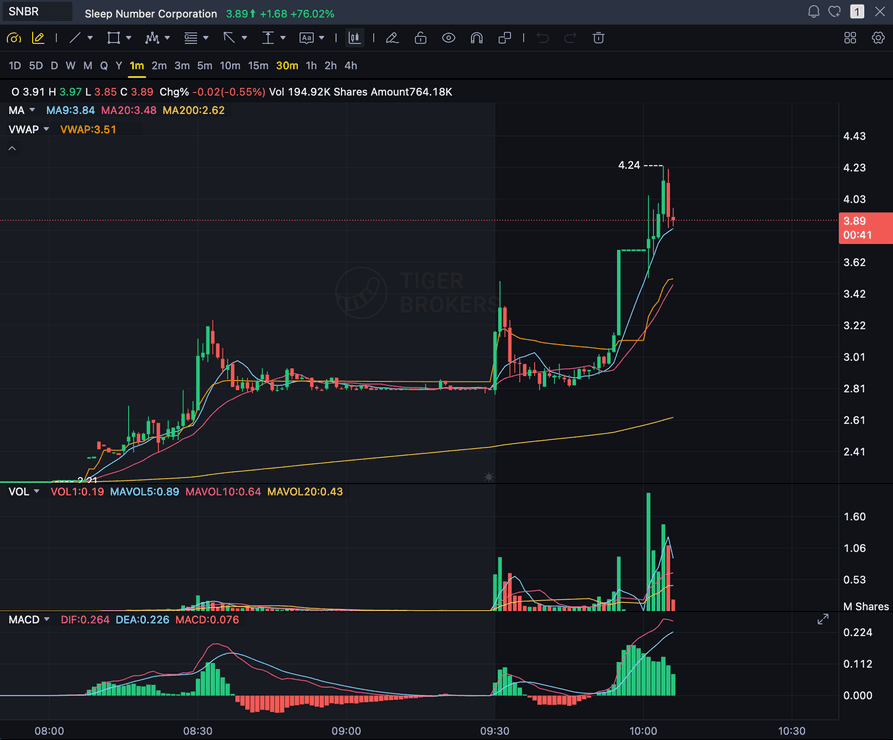
SNBR 1m bull flag pullback: strong opening momentum, lighter-volume consolidation, and a late breakout attempt near 3.89. Forex, crypto and futures screenshots get the same structure: a grade, entry, structural stop and targets.
CHF/JPY
The franc-yen cross, pairing two classic safe-haven currencies
TWO FUNDING LEGS
Both the SNB and the Bank of Japan have run negative rates
EMA
Pullback into the 9 and 20 EMA on a clean trend
ASIA + EUROPE
Yen side active in Asia, franc side in the European morning
Quick answer
How do you analyze a CHF/JPY chart with AI?
Send SnapPChart a screenshot of your CHF/JPY chart and within seconds it hands back an A+ through F grade, an entry level, a structural stop, staged exit targets, and the reward weighed against the risk. This cross pairs two currencies traders treat as safe havens rather than a funding currency chasing a higher-yield target: the Swiss franc and the Japanese yen have both drawn capital during broad risk-off stretches, and both the Swiss National Bank and the Bank of Japan have run negative interest rate policy for extended, overlapping periods. That gives CHF/JPY a different character from a cross like AUD/JPY, where one side is clearly the low-yield funding leg and the other is chasing yield or commodity demand. The Swiss franc side trades hardest during the European morning, while the yen side is already active hours earlier in the Asian session, so a pullback can print in either window and still look the same on the chart. None of that central-bank policy history, the SNB and Bank of Japan rate calendar, or which session produced a given move reaches the grader. It works from the screenshot alone, the EMA pullback, the round-number reaction, and the tick volume, and judges every CHF/JPY chart against those same fields.
What the AI Returns From a Screenshot
Use the output as a repeatable pre-trade checkpoint, not a prediction.
A+ to F Setup Grade
See whether the setup has enough pattern clarity, momentum, volume, and reward to justify the risk.
Entry, Stop, Targets
Get a structured trade plan with entry zone, invalidation level, targets, and risk/reward.
Screenshot-Based Read
Use charts from TradingView, Webull, ThinkOrSwim, MetaTrader, Robinhood, or any broker.
Risk Notes First
The analysis flags extension, messy chop, weak retests, thin reward, and conflicting indicators.
Workflow
Use it as a pre-entry gate on every CHF/JPY setup
A CHF/JPY pullback doesn't come with the same clean risk-on or risk-off read that a cross like AUD/JPY offers, since both legs can strengthen together in a flight to safety instead of pulling in opposite directions. Run every CHF/JPY chart through the same structural check before you commit rather than leaning on a directional story the pair doesn't reliably give you.
- Run a CHF/JPY pullback through the 9/20 EMA check before you enter
- Verify the round-number level the franc-yen cross is actually reacting to
- Confirm the tick volume actually supports the pullback instead of just tagging along
- See whether the structure still holds without leaning on a risk-on or risk-off narrative
- Read the invalidation and bear case before committing size to the trade
- Pass on a C-grade CHF/JPY setup when the reward-to-risk doesn't clear the bar
Head to head
SnapPChart vs reading a CHF/JPY chart by hand
Both legs of CHF/JPY are safe-haven currencies, so the usual risk-on or risk-off story behind a yen cross does not hold up well here. By hand, traders lean on that story anyway. The grader reads only the pullback, the round number, and the tick volume on the chart.
| Feature | SnapPChart | Reading the chart by hand |
|---|---|---|
| Grades without leaning on a risk-on or risk-off story | Structure only | Narrative pulls you in |
| 0.01 pip levels on the franc-yen quote | Built into the plan | Manual counting |
| Round-number reaction on CHF/JPY | When visible on chart | By eye |
| Tick volume checked on a two-haven cross | Every upload | Often skipped |
| SNB and Bank of Japan rate history | Not read | Your context |
| Entry, structural stop, T1 / T2 on franc-yen | Every paid grade | Built by hand |
| Bear case for the franc-yen idea | Every paid grade | Easy to skip |
Keep Learning the Setup
Use these guides to understand how SnapPChart grades the trade instead of taking the output blindly.
What do traders ask about CHF/JPY Chart Analysis?
How SnapPChart grades a CHF/JPY chart from a screenshot.
How do I analyze a CHF/JPY chart with AI?
Screenshot your CHF/JPY chart from your trading platform and upload it to SnapPChart. No typing, no broker connection, no live data feed involved; a multimodal vision model examines the image directly, identifies the pullback into the 9 and 20 EMA, checks the reaction against a round-number level, and reads the tick volume on the candles, then returns a grade, an entry, a stop, staged targets, and the risk-reward math.
Does it read live CHF/JPY prices, or the SNB and Bank of Japan calendar?
No, the grader works only from what you upload. Live CHF/JPY pricing, the Swiss National Bank and Bank of Japan rate calendars, and any other currency pair are all outside its reach. The negative-rate history both central banks share and the safe-haven status of both currencies are useful context for you to bring to the trade, but the grader itself judges only the EMA pullback, the round-number reaction, and the tick volume visible in the screenshot.
Why doesn't CHF/JPY behave like a typical risk-on or risk-off cross?
Most yen crosses pit the low-yield yen against a higher-yielding currency, so the pair has a clear direction to lean toward when risk appetite shifts. CHF/JPY doesn't set up that way. The Swiss franc and the Japanese yen are both currencies traders reach for during broad risk-off stress, and both the Swiss National Bank and the Bank of Japan have run negative interest rate policy for extended, overlapping stretches, so neither side is clearly the yield-chasing leg. That means a CHF/JPY move is less likely to come with the same clean risk-sentiment story a cross like AUD/JPY offers. The grader doesn't try to settle that question either way. It reads the pullback structure, the round-number reaction, and the tick volume printed on the chart, and grades the setup on those terms regardless of which macro story is in play that week.
Are the entry, stop, and targets in pips?
They are. Like every yen cross, CHF/JPY quotes to two or three decimal places, putting a pip at 0.01, and the entry, stop, and staged targets all come back in that unit along with the risk-to-reward math. Confirm the stop distance still fits your own account risk before sizing the trade.
Can it grade a CHF/JPY short setup?
Yes. Switch your trading style to Short Only and SnapPChart runs a dedicated short-side read on the CHF/JPY chart, checking order flow, structure, and volume for a bearish continuation or reversal. A chart that doesn't actually support a short gets scored down honestly rather than handed a fabricated bearish setup. The read still comes only from the screenshot you upload, with no live short-interest, borrow-rate, or margin-availability data behind it. The dedicated short-setup grader at /short-trade-analyzer covers the mechanics in more depth.
Have the SNB and Bank of Japan really both run negative interest rates?
Yes, for extended and overlapping stretches. The Swiss National Bank held its policy rate below zero for years after introducing negative rates in the mid-2010s, and the Bank of Japan ran a negative-rate policy of its own for years afterward as part of a much longer run of near-zero rates. Both eventually moved off negative rates, but the overlap helps explain why CHF/JPY trades differently from a cross that pairs the yen against a currency clearly chasing higher yield. Treat that overlap as useful trader context, not a factor the grader weighs when it scores the setup.
Is CHF/JPY chart analysis free to try?
It is. New accounts get one free grade. You see the setup's grade and the general read on your chart. Entry, stop, targets and the trade plan come with a paid plan. No card needed to try it. Upload a CHF/JPY chart to see how it reads the setup.
Grade your next CHF/JPY setup before you enter.
Upload the franc-yen screenshot from the homepage and get a structured read on the CHF/JPY setup in seconds. No credit card required.
Grade a CHF/JPY Chart Free