Grade your EUR/CHF setup on the cross the SNB has actively managed.
EUR/CHF carries a piece of monetary-policy history few pairs can match: a central bank pegged this exact rate for over three years, then let it go without warning. SnapPChart reads your EUR/CHF chart screenshot for what actually shows up on the candles, the pullback into the 9 and 20 EMA, the round-number levels the euro-franc cross tends to respect, and the visible tick volume, then hands back a setup grade, an entry, a stop, targets, and the reward against the risk. It works the same way on this pair as on any other: a grade based on the picture in front of it, not on what the SNB might do next.
Drag and drop your chart screenshot
or click to browse. PNG, JPG, or WebP.
Your first grade is free, no card: it shows the setup's grade and the general read. Entry, stop, targets and the trade plan come with a paid plan.
Make sure both the time axis (X) and price axis (Y) are visible in your screenshot for accurate results.
Grade
B+
Entry
$3.87
Stop
$3.75
Target
$4.24
Format example (stock chart)
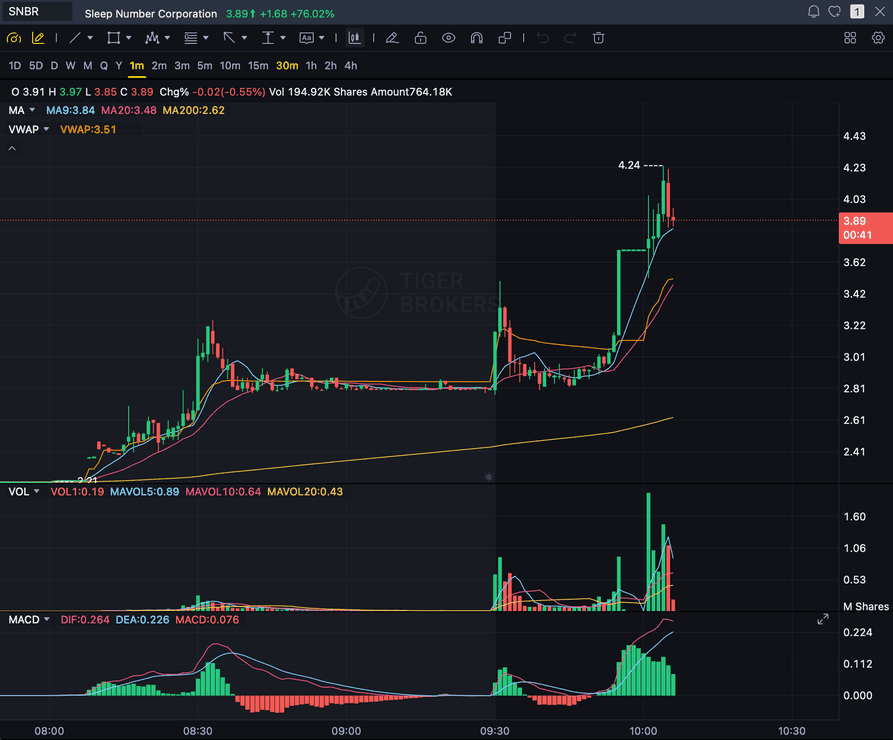
SNBR 1m bull flag pullback: strong opening momentum, lighter-volume consolidation, and a late breakout attempt near 3.89. Forex, crypto and futures screenshots get the same structure: a grade, entry, structural stop and targets.
EUR/CHF
The euro-franc cross, no USD leg
1.20 FLOOR
SNB-pegged 2011-2015, then let go overnight
EMA
Pullback into the 9 and 20 EMA on a clean trend
LOW VOL
One of the tightest-ranging majors since 2015
Quick answer
How do you analyze a EUR/CHF chart with AI?
Upload a screenshot of your EUR/CHF chart and SnapPChart returns a grade in seconds: the setup rated A+ through F, an entry, a stop built off chart structure, staged exit targets, and the reward measured against the risk. Between September 2011 and January 2015, the Swiss National Bank defended a 1.20 floor on this specific exchange rate, selling francs without limit to keep the Eurozone debt crisis from driving safe-haven money into an uncontrolled franc rally. It let that floor go on January 15, 2015, with no advance notice, and EUR/CHF fell roughly 30% inside minutes, a session traders still call the Swiss franc shock. Negative Swiss rates and occasional central-bank intervention have followed, and the net effect is a pair that now sits among the tightest-ranging majors on the board, because the eurozone and Switzerland run on the same Central European clock instead of handing off between separate trading days the way a yen cross does. None of that policy backdrop reaches the grader. It works from the pullback shape into the 9 and 20 EMA, the round-number levels visible on the chart, and the tick volume printed on the candles, applying one fixed rubric so a setup from a quiet Tuesday and one from a volatile Friday get scored the same way. Live EUR/CHF quotes, the SNB or ECB calendar, and intervention chatter stay outside what it reads; the screenshot is the only input.
What the AI Returns From a Screenshot
Use the output as a repeatable pre-trade checkpoint, not a prediction.
A-F Setup Grade
See whether the setup has enough pattern clarity, momentum, volume, and reward to justify the risk.
Entry, Stop, Targets
Get a structured trade plan with entry zone, invalidation level, targets, and risk/reward.
Screenshot-Based Read
Use charts from TradingView, Webull, ThinkOrSwim, MetaTrader, Robinhood, or any broker.
Risk Notes First
The analysis flags extension, messy chop, weak retests, thin reward, and conflicting indicators.
Workflow
Use it as a pre-entry gate on every EUR/CHF setup
A euro-franc range this tight punishes sloppy stop placement fast: what reads as a clean pullback can also be too small a move to clear spread and still pay out at a sensible reward-to-risk. Run the chart past SnapPChart before sizing the trade.
- Grade the EUR/CHF pullback into the 9 or 20 EMA before you enter
- Check the round-number level the pair is reacting to on the chart
- Rule out a thin, low-participation drift dressed up as a trend
- Weigh the tick volume behind the pullback before trusting it
- Read the bear case and invalidation so the stop has a reason behind it
- Pass on C-grade EUR/CHF setups where the payout doesn't clear the risk
Head to head
SnapPChart vs a general AI chat assistant on a EUR/CHF chart
EUR/CHF has been one of the tightest-ranging pairs on the board since the 2015 floor break, so stops and targets copied from a wider pair do not fit. A general AI tool rarely adjusts for that. SnapPChart sizes the plan off the structure the euro-franc chart actually shows.
| Feature | SnapPChart | General AI chat assistant |
|---|---|---|
| Stop sized to a narrow euro-franc range, not a wider pair's habit | Structural, in pips | Generic distances |
| Targets that fit the EUR/CHF move actually available | T1 / T2 from structure | Often too ambitious |
| Checks a small euro-franc move still clears spread | Minimum R:R checked | Rarely checked |
| Spots a low-participation drift dressed as a trend | From tick volume | Inconsistent |
| Explains the 2015 SNB floor history | Not its job | Can explain it |
| Bear case on a quiet cross | Every paid grade | When asked |
| Same grade scale on every EUR/CHF screenshot | Fixed scale | No fixed scale |
Keep Learning the Setup
Use these guides to understand how SnapPChart grades the trade instead of taking the output blindly.
What do traders ask about EUR/CHF Chart Analysis?
How SnapPChart grades a EUR/CHF chart from a screenshot.
How do I analyze a EUR/CHF chart with AI?
Take a screenshot of your EUR/CHF chart and upload it to SnapPChart. The vision model reads the pullback shape into the 9 and 20 EMA, the round-number levels, and the tick volume straight off the image, then returns a grade with an entry, a stop, targets, and the reward-to-risk. There's no manual data entry and no feed to connect; the picture is the whole input.
Does it read live EUR/CHF prices, the SNB calendar, or intervention rumors?
No. Everything the grader knows about the setup comes from the screenshot you give it. It has no connection to live EUR/CHF quotes, the SNB or ECB policy calendar, or chatter about franc intervention, and it doesn't cross-check against other currency pairs. This pair's monetary-policy backdrop is useful context for you as the trader; the grader simply isn't built to weigh it, so it sticks to the structure, the EMA pullback, the round numbers, and the volume it can actually see.
What was the EUR/CHF floor, and why does it matter for grading this pair today?
For over three years starting September 2011, the Swiss National Bank held EUR/CHF above 1.20 by selling francs in unlimited size, a defense against safe-haven flows overwhelming the currency during the Eurozone debt crisis. The peg ended on January 15, 2015, with no warning, and the rate cratered by roughly a third within minutes, arguably the single most violent move a major currency pair has seen. The reason it's worth knowing today: the SNB's continued willingness to lean on franc strength since then is a big part of why EUR/CHF now trades in such a narrow band. The grader doesn't factor in central-bank policy, but a trader sizing a position on this pair should.
Why is EUR/CHF one of the quietest pairs to trade?
Switzerland's economy runs tightly alongside the eurozone's despite sitting outside it, and unlike a cross pairing a European currency against the yen or a Pacific currency, both legs here trade on the same Central European business day rather than passing the baton between time zones. Add a central bank with a track record of stepping in against franc appreciation, and the range compresses further than on most crosses. Practically, that means a stop sized the way you'd size one on a wider-ranging pair often overshoots what EUR/CHF needs, and a target sized the same way can be too ambitious for the move actually available.
Are the entry, stop, and targets in pips?
Yes, in pip terms alongside the underlying price. EUR/CHF prices out to four or five decimals like most non-yen pairs, so a pip is 0.0001, and the reward-to-risk is calculated against that. Because the pair's typical range is narrower than most, the grader's minimum reward-to-risk bar after spread is worth checking closely here rather than assuming a wider pair's math carries over.
Can it grade a EUR/CHF short setup?
SnapPChart grades long and short momentum-continuation setups from chart screenshots. Choose Long only, Short only, or Both sides in your trading profile. Both sides picks one direction from the chart.
Is EUR/CHF chart analysis free to try?
Yes. New accounts get one free grade. You see the setup's grade and the general read on your chart. Entry, stop, targets and the trade plan come with a paid plan. No card needed to try it. Upload a EUR/CHF chart to see how it reads the setup.
Grade your next EUR/CHF setup before you enter.
Drop the euro-franc screenshot in from the homepage and get back a graded setup, an entry, a stop, and targets in seconds. Your first grade is free, no card: it shows the setup's grade and the general read.
Grade a EUR/CHF Chart Free