Grade the liquidity sweep before you trade the reclaim.
Upload a chart where an established uptrend pulls back, price wicks through a minor prior swing low to run the resting stops, then reverses and reclaims back above that level, and get a read on whether the prior uptrend was genuinely in place, whether the sweep actually traded through the level, the reclaim candle, and a full trade plan, so a clean sweep-and-reclaim that continues a confirmed uptrend and a sweep with no real trend behind it do not get judged the same way.
Drag and drop your chart screenshot
or click to browse. PNG, JPG, or WebP.
Your first analysis is free. No credit card.
Make sure both the time axis (X) and price axis (Y) are visible in your screenshot for accurate results.
Grade
B+
Entry
$3.87
Stop
$3.75
Target
$4.24
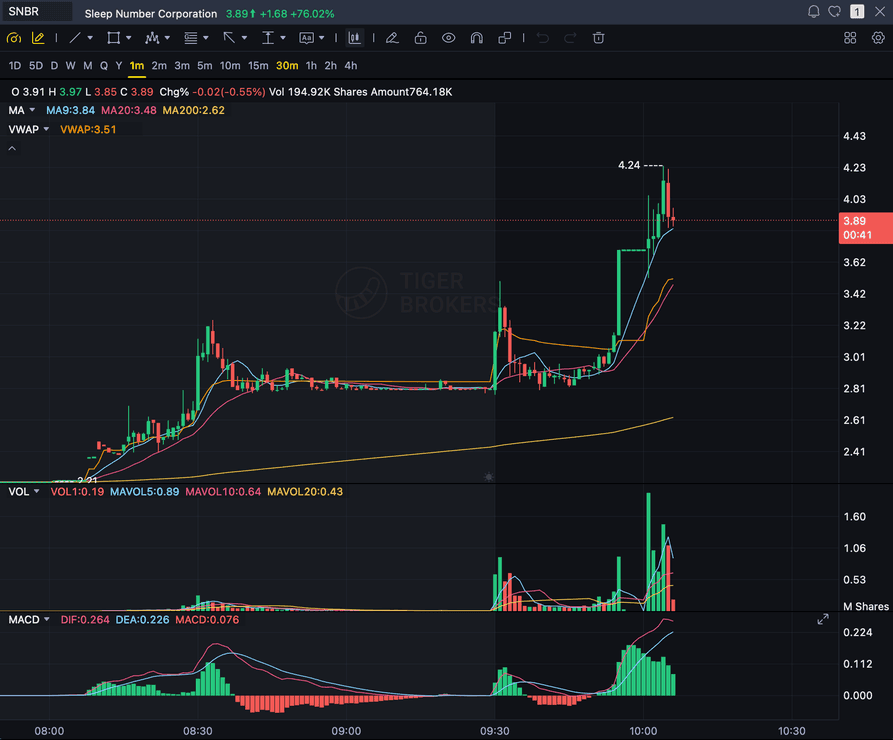
Format example (stock chart)
SNBR 1m bull flag pullback: strong opening momentum, lighter-volume consolidation, and a late breakout attempt near 3.89. Forex, crypto and futures screenshots get the same structure: a grade, entry, structural stop and targets.
UPTREND
The prior higher-highs, higher-lows structure in place before the sweep
SWING LOW
The minor prior swing low that gets swept, as marked
WICK
The wick that trades through the level to run the resting stops
RECLAIM
The reversal candle closing back above the swept level
Quick answer
What is a liquidity sweep, and can AI grade it?
A liquidity sweep, also called a stop hunt or a liquidity grab, is where price briefly trades through, wicking beyond, a recognizable swing high or swing low where resting stop-loss orders and breakout entries are clustered, sweeping that liquidity, then reverses sharply back the other way; the wick pierces the level and the candle typically closes back inside the prior range.
This page grades one specific, honestly-scoped version of that setup: a prior uptrend has to already be established first, documented higher highs and higher lows on the chart, before the sweep happens. Inside that existing uptrend, price pulls back and wicks below a minor prior swing low, not the origin of the trend, just a recent swing low along the way, running the stops resting just beneath it, then reverses and reclaims back above that level, continuing the uptrend that was already in place. That is the continuation case, sometimes called a run or an inducement in ICT terminology, as distinct from a sweep read as a fresh reversal call, calling a bottom after a downtrend, which this page does not grade. The premise behind either version is the same: large positions need counterparty liquidity to fill without moving the market too far against the filler, and the stop-loss clusters resting just beyond an obvious swing point are a predictable liquidity source, so a sweep-and-reverse is read as that liquidity being absorbed before the intended move continues. SnapPChart grades the continuation case from the chart you upload: it reads the prior uptrend you marked, the swing low that got swept, the wick trading through it, the reversal and reclaim candle closing back above the level, and confirmation such as a break of structure back up, then returns a setup grade, an entry off the confirmed reclaim, a structural stop below the low of the sweep wick itself, not the swing low, the actual wick low, which sits lower, multi-target exits, and the bear case. It reads the chart exactly as marked on your screenshot, not a live feed, and it does not scan a chart for liquidity sweeps, auto-identify the swing low or the sweep for you, watch the tape, or predict the next candle. You mark the prior uptrend, the swing low, the sweep wick, and the reclaim, screenshot the chart, and upload it, and the same checklist runs every time so a sweep that continues a confirmed uptrend and a sweep with no real trend context behind it do not get judged the same way.
What the AI Returns From a Screenshot
Use the output as a repeatable pre-trade checkpoint, not a prediction.
A-F Setup Grade
See whether the setup has enough pattern clarity, momentum, volume, and reward to justify the risk.
Entry, Stop, Targets
Get a structured trade plan with entry zone, invalidation level, targets, and risk/reward.
Screenshot-Based Read
Use charts from TradingView, Webull, ThinkOrSwim, MetaTrader, Robinhood, or any broker.
Risk Notes First
The analysis flags extension, messy chop, weak retests, thin reward, and conflicting indicators.
Workflow
Use it as a quality check on the reclaim
Plenty of liquidity sweeps get traded as a standalone reversal signal with no real trend behind them, or the sweep never actually reclaims the level. SnapPChart gives you a consistent read on whether this sweep is a genuine continuation of an established uptrend before you trade the reclaim.
- Mark the prior uptrend, the higher highs and higher lows leading into the pullback, before anything else
- Mark the minor swing low that got swept and the wick that traded through it
- Confirm price actually closed back above the swept level, the reclaim, not just a brief poke through it
- Check for a break of structure back up or a displacement move away from the level as added confirmation
- Re-grade after the reclaim to see whether the uptrend actually resumed or stalled
- Skip the trade when the grade flags no real uptrend in place, a sweep of a major swing low that would mark a new trend reversal, or no reclaim close
Head to head
SnapPChart vs a general AI chat assistant for liquidity sweep setups
A general AI tool can tell you a wick traded through a level, but it will not consistently check whether a real uptrend was already in place before the sweep, whether price actually reclaimed the level with a clean reversal candle, or whether this is a genuine continuation instead of a fresh reversal call, to the same standard twice. SnapPChart reads the prior uptrend, the swept level, and the reclaim the same way on every screenshot you upload, and it grades only the sweep-then-continuation case.
| Feature | SnapPChart | General AI chat assistant |
|---|---|---|
| Grades the liquidity sweep and reclaim you marked on the screenshot | Yes, every upload | Inconsistent |
| Confirms a real uptrend was in place before the sweep, not just the sweep alone | From the image | Rarely |
| Judges whether price actually reclaimed the level with a clean reversal candle | Every grade | Varies by prompt |
| Distinguishes a sweep-then-continuation from a fresh bottom-picking reversal call | Every grade | Rarely |
| Flags a weak setup: no prior uptrend, no reclaim close, a sweep of a major swing low | Every bear case | Rarely flagged |
| Entry, stop, targets off the sweep and reclaim | Yes | Prompting required |
| Same criteria on every sweep | Fixed methodology | Varies by session |
Learn the liquidity sweep setup
Use these guides to understand what makes a liquidity sweep grade well, so you take the read instead of the output blindly.
What do traders ask about Liquidity Sweep AI?
How SnapPChart grades a liquidity sweep and reclaim from your screenshot.
How does the AI grade a liquidity sweep?
It reads the prior uptrend you marked, the minor swing low that got swept, the wick trading through that level, and the reversal candle closing back above it, the reclaim. It factors in whether a break of structure or a displacement move away from the level backs the reclaim, then returns a setup grade, an entry off the confirmed reclaim, a structural stop below the low of the sweep wick itself, not the swing low, and targets. A sweep that clears a genuine, well-established uptrend, wicks through a clean swing low, and reclaims with a sharp reversal candle grades higher than a sweep with no real trend behind it or one that never closes back above the level.
Does SnapPChart grade a liquidity sweep that calls a bottom, or the bearish mirror sweep?
No. This page grades one specific case: a sweep of a minor prior swing low that occurs inside an uptrend already confirmed before the sweep happened, higher highs and higher lows already on the chart, and that reverses back up to continue that same uptrend. It does not grade a sweep that marks a new or major trend reversal, calling a bottom after a downtrend with no prior uptrend in place, and it does not grade the bearish mirror, a sweep of a swing high that reverses back down. Those are different setups with a different risk profile, and this page is scoped to the continuation case only, sometimes called a run or an inducement rather than a reversal in ICT terminology.
How is a liquidity sweep different from a support and resistance bounce?
They can happen at the same level, but the defining feature is different, and it changes how the setup should be judged. A plain support and resistance bounce is where price touches or approaches a level and holds, reacting before it actually trades through. A liquidity sweep specifically trades through the level first, the wick pierces below the swing low and actually runs the stops resting there, before reversing back above it. The undercut-then-reclaim is the non-negotiable feature of a sweep; a level that never gets traded through is a bounce, not a sweep, and grades on the support and resistance bounce page instead of this one.
Does SnapPChart auto-detect sweeps, scan the market, or read live price?
No. It does not scan a feed or a symbol list for liquidity sweeps, auto-identify the swing low or the sweep wick for you, watch the tape, or predict the next candle. You identify and mark the prior uptrend, the swing low, the sweep wick, and the reclaim, then screenshot and upload that chart, and the AI grades the structure it can see in the image: the trend, the swept level, the wick, and the reclaim. The grade reflects the picture you give it.
How is a liquidity sweep different from an order block or a fair value gap?
All three come from Smart Money Concepts, but they are defined by different things. A liquidity sweep is defined by an event, price actually trading through a specific level. An order block is a single candle, the last opposing candle before an impulsive move. A fair value gap is a three-candle imbalance that was never traded through at all. A sweep can happen near an order block or leave a fair value gap behind it on the reversal, and common sweep targets include equal highs and lows, a single obvious swing point, or a session high or low such as the Asian range swept at the London open, but this page grades the sweep and reclaim specifically, not those other structures.
What should be on the chart before I screenshot it?
Mark the prior uptrend leading into the pullback, the swing low that gets swept, and the wick that trades through it, along with the candles, timeframe, and price scale. The reversal candle closing back above the swept level, the reclaim, needs to be visible, and any break of structure or displacement move away from the level afterward should be in frame too, since the grade is about whether the uptrend context and the reclaim are both genuinely there.
Is there a free trial for liquidity sweep grading?
Yes. New users get two lifetime chart analyses. The first shows the full output so you can see exactly what the liquidity sweep grade returns; the second is gated to show what the paid product adds. No credit card required.
Grade the liquidity sweep before you trade the reclaim.
Mark the prior uptrend, the swept swing low, and the reclaim, screenshot the chart, and upload it from the homepage for a structured read on the setup.
Grade a Liquidity Sweep Free