Grade your NZD/CHF setup on a cross with no single trending session.
Upload a NZD/CHF chart screenshot and SnapPChart reads the structure, the pullback into the 9 and 20 EMA, the round-number levels this cross tends to respect, and the visible tick volume, then returns a setup grade, entry, stop, targets, and the reward against the risk. The kiwi dollar, priced off Fonterra's dairy auctions and China-linked agricultural demand, trades against the Swiss franc, a currency the Swiss National Bank has a long history of actively managing. New Zealand's trading day opens as most of the world sleeps and Switzerland's opens roughly twelve hours later, so unlike a yen cross this pairing has no one obvious window where both legs are active at once.
Drag and drop your chart screenshot
or click to browse. PNG, JPG, or WebP.
Your first grade is free, no card: it shows the setup's grade and the general read. Entry, stop, targets and the trade plan come with a paid plan.
Make sure both the time axis (X) and price axis (Y) are visible in your screenshot for accurate results.
Grade
B+
Entry
$3.87
Stop
$3.75
Target
$4.24
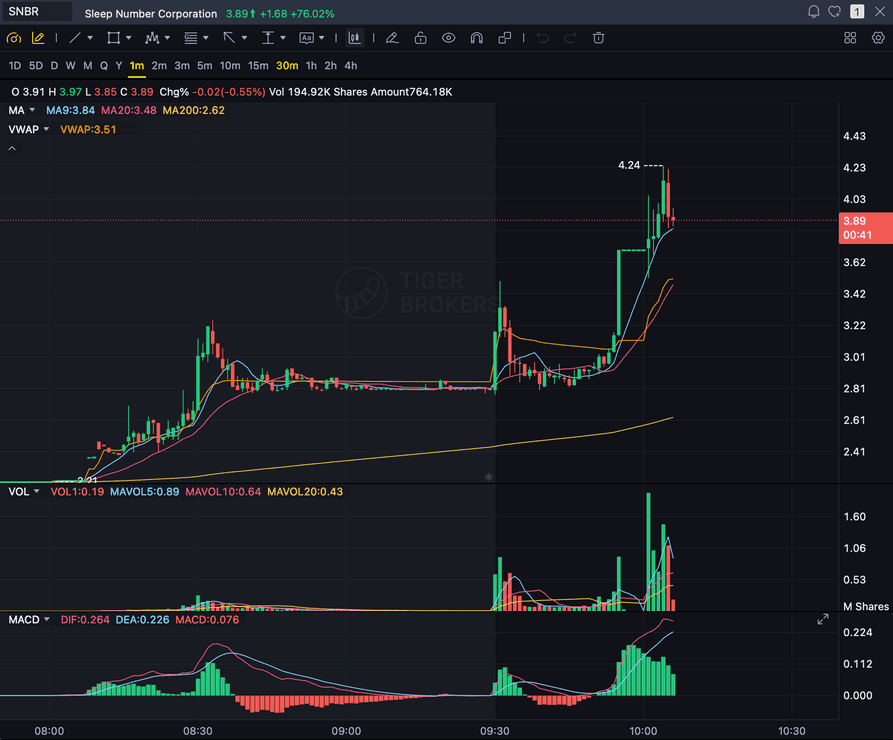
Format example (stock chart)
SNBR 1m bull flag pullback: strong opening momentum, lighter-volume consolidation, and a late breakout attempt near 3.89. Forex, crypto and futures screenshots get the same structure: a grade, entry, structural stop and targets.
NZD/CHF
The kiwi-franc cross, no USD leg
DAIRY
NZD is priced off Fonterra auctions and China-linked demand
EMA
Pullback into the 9 and 20 EMA on a clean trend
NO OVERLAP
Wellington and Zurich sessions sit ~12 hours apart
Quick answer
How do you analyze a NZD/CHF chart with AI?
You screenshot the NZD/CHF chart from your platform and upload the image. SnapPChart reads it directly, the market structure, the pullback into the 9 EMA or 20 EMA, the round-number levels the cross tends to respect, and the visible tick volume, then grades the setup A+ to F with an entry, a structural stop, multi-target exits, and the reward against the risk. The New Zealand dollar is priced heavily off dairy, New Zealand's largest export earner (Fonterra's global whole milk powder auctions move it directly) and off China-linked agricultural demand, while the Swiss franc carries the opposite reputation: the Swiss National Bank has a long history of actively defending currency levels, most famously abandoning a euro floor overnight in January 2015 and sending franc pairs into a violent single-session repricing. Putting the two together in one cross also means putting two trading days that barely overlap together: Wellington opens the global trading week and Zurich's session runs a Northern Hemisphere business day roughly twelve hours apart, so NZD/CHF does not inherit the single dominant trending window a yen cross gets from Tokyo, London, or New York sitting on one side of the pair. The grader checks structure and volume off the chart you upload rather than assuming a session story that this cross does not clearly have. It does not read live NZD/CHF prices, does not watch other currency pairs, does not pull the RBNZ or SNB policy calendar, and does not track a dairy-auction result. It grades what is visible on the chart, using the same criteria every time, so you can compare one kiwi-franc setup to the next instead of trading on feel.
What the AI Returns From a Screenshot
Use the output as a repeatable pre-trade checkpoint, not a prediction.
A-F Setup Grade
See whether the setup has enough pattern clarity, momentum, volume, and reward to justify the risk.
Entry, Stop, Targets
Get a structured trade plan with entry zone, invalidation level, targets, and risk/reward.
Screenshot-Based Read
Use charts from TradingView, Webull, ThinkOrSwim, MetaTrader, Robinhood, or any broker.
Risk Notes First
The analysis flags extension, messy chop, weak retests, thin reward, and conflicting indicators.
Workflow
Use it as a pre-entry gate on every NZD/CHF setup
With no single session where both legs of the pair are active, a NZD/CHF pullback can look clean on the chart while the volume behind it belongs to whichever half of the day happens to be open. SnapPChart gives you a consistent quality check on the NZD/CHF chart before you commit.
- Grade a NZD/CHF pullback into the 9 or 20 EMA before the entry
- Check the round-number level the kiwi-franc cross is reacting to
- Confirm the chart is trending on real participation, not a thin overnight drift
- Confirm the tick volume on the pullback is light, not heavy selling
- Read the bear case and invalidation before you size the position
- Skip C-grade NZD/CHF setups where the reward is not there
Head to head
SnapPChart vs reading a NZD/CHF chart by hand
Wellington and Zurich sit about twelve hours apart, so NZD/CHF has no single window where both legs are busy. By hand it is tempting to borrow a session story from the yen crosses. The grader skips the story and scores the structure and tick volume actually on the chart.
| Feature | SnapPChart | Reading the chart by hand |
|---|---|---|
| Flags a thin overnight drift posing as a NZD/CHF trend | Volume checked every read | Easy to miss |
| Scores kiwi-franc structure without a time-of-day assumption | Chart-only read | Habit fills the gap |
| Minimum R:R after spread on a minor cross | Checked | Rarely run |
| Round-number reaction on the kiwi-franc chart | When visible on chart | Spotted by eye |
| Carry and dairy-auction context | Not in a screenshot | Yours to weigh |
| Long or short kiwi-franc continuation graded | Both directions | Bias-dependent |
| Time to a graded read | Seconds | Minutes, per chart |
Keep Learning the Setup
Use these guides to understand how SnapPChart grades the trade instead of taking the output blindly.
What do traders ask about NZD/CHF Chart Analysis?
How SnapPChart grades a NZD/CHF chart from a screenshot.
How do I analyze a NZD/CHF chart with AI?
Screenshot the NZD/CHF chart from your platform and upload the image to SnapPChart. A multimodal vision model reads the structure, the pullback into the 9 and 20 EMA, the round-number levels, and visible tick volume directly from the picture, then returns a setup grade, an entry, a structural stop, targets, and the reward against the risk. You do not type out what the chart shows or connect a data feed.
Does it read live NZD/CHF prices, dairy auction results, or the RBNZ and SNB calendar?
No. SnapPChart grades the NZD/CHF chart screenshot you upload, not a live feed. It does not read live NZD/CHF prices, does not track Fonterra dairy-auction results, does not pull the RBNZ or SNB policy calendar, and does not watch other currency pairs. The New Zealand dollar's dairy-export link and the Swiss franc's safe-haven reputation are trader background context, not something the grader sees. It reads the structure, the EMA pullback, the round numbers, and the tick volume that are visible in the image and returns the trade plan and the bear case. You stay the decision-maker.
Why doesn't NZD/CHF have one clear trending session like the yen crosses?
A yen cross like EUR/JPY or GBP/JPY gets its trending window from a European or London session sitting opposite the Tokyo close. NZD/CHF does not have that setup: New Zealand's trading day opens first in the world, well before Europe or the Americas are active, and Switzerland's session runs a normal Northern Hemisphere business day roughly twelve hours later. The two legs are rarely both fully active at once, so the pair does not inherit a single obvious session story the way a yen cross does. That makes the visible chart structure and tick volume the more reliable read than assuming a time-of-day pattern, and it is exactly what the grader checks.
Are the entry, stop, and targets in pips?
Yes. NZD/CHF is a non-yen pair quoted to four or five decimals where a pip is 0.0001, and the entry, structural stop, and targets are returned in pip-friendly terms with the underlying prices, with the reward measured against the risk. The grader looks for a minimum reward-to-risk that holds up after spread on a minor cross like this one.
Can it grade a NZD/CHF short setup?
SnapPChart grades long and short momentum-continuation setups from chart screenshots. Choose Long only, Short only, or Both sides in your trading profile. Both sides picks one direction from the chart.
Is NZD/CHF a carry-trade pair?
It can be read that way. The Swiss franc has a long history as a funding currency in carry trades because Swiss interest rates have often sat near zero or below it, while the New Zealand dollar has more often carried a comparatively higher rate, the classic setup for borrowing in one currency to hold the other. That interest-rate backdrop is background context for why NZD/CHF behaves the way it does over long stretches, not something the grader reads. It grades the chart in front of it: the structure, the EMA pullback, the round numbers, and the tick volume, the same way on every setup regardless of where rates currently sit.
Is NZD/CHF chart analysis free to try?
Yes. New accounts get one free grade. You see the setup's grade and the general read on your chart. Entry, stop, targets and the trade plan come with a paid plan. No card needed to try it. Upload an NZD/CHF chart to see how it reads the setup.
Grade your next NZD/CHF setup before you enter.
Upload the kiwi-franc chart from the homepage and get a structured read on the NZD/CHF setup in seconds. No credit card required.
Grade a NZD/CHF Chart Free